

How to Choose the Right CNC Controller for Your Application
Short answer: how to choose a cnc controller, define your machine type, accuracy and duty cycle first, then check nine factors: motion control quality, motor compatibility (stepper or servo), communication (USB, Ethernet or EtherCAT), I/O and expandability, industrial reliability, software and operator experience, retrofit fit, and total cost of ownership. Choosing the right CNC controller […]
Common CNC Controller Failures and Solutions
Understanding Common CNC Controller Failures and How to Fix Them Author: Radonix R&D Team – CNC Control Systems & Industrial Automation CNC controllers are the core of any CNC system, responsible for executing motion commands, coordinating machine components, and ensuring precise operation. When controller-related failures occur, they can lead to unexpected downtime, reduced machining accuracy, […]
Servo Motor in CNC Machines: Selection, Sizing and Performance Guide
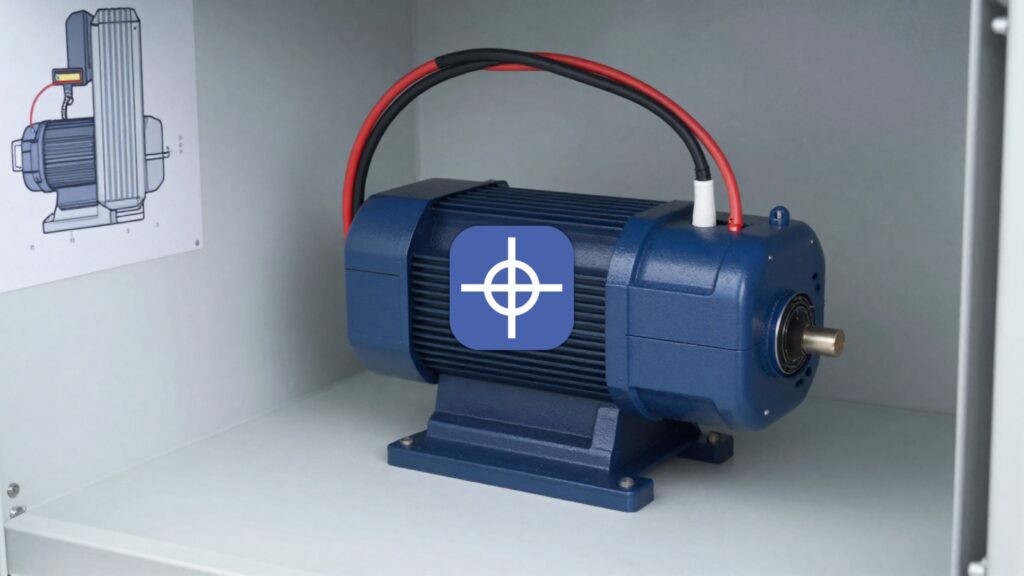
Author: Nima Rad – Radonix Automation Short answer: A servo motor in CNC machine is an electric motor with a feedback device (encoder or resolver) driven by a servo drive in a closed loop. The loop continuously corrects torque, speed and position, which gives CNC axes high accuracy, fast response and stable torque across a […]
Interpolation in CNC: Linear, Circular, and Multi-Axis Motion
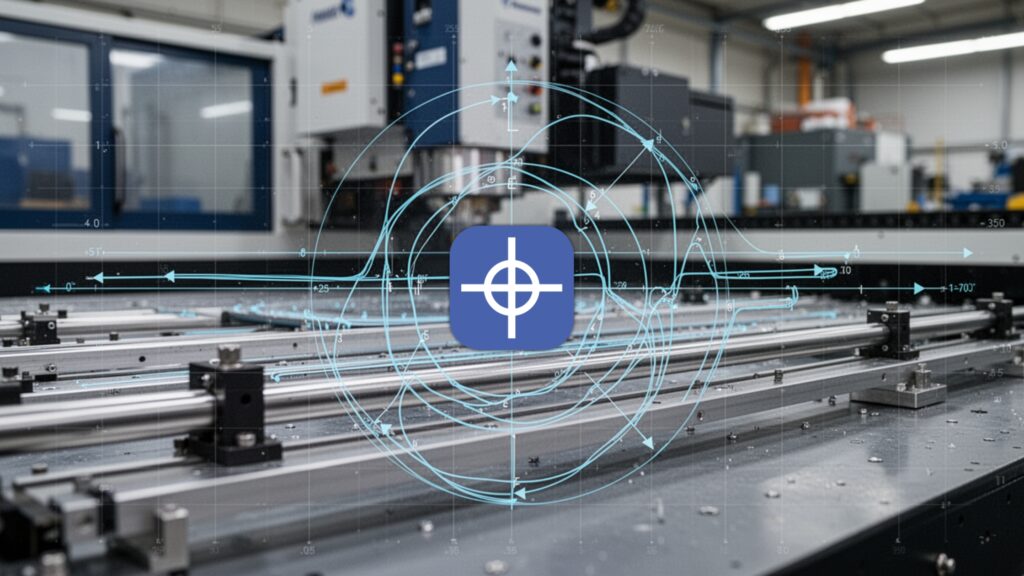
What Is Interpolation in CNC? Linear, Circular, and Multi-Axis Motion Written by: Radonix R & D Team. In CNC machining, precision is not defined only by motor torque, spindle power, or machine rigidity. True machining accuracy depends on how precisely the machine moves from one programmed position to another. That coordinated movement is controlled through […]
CNC Control in Woodworking: Speed, Motion Stability, and Surface Precision
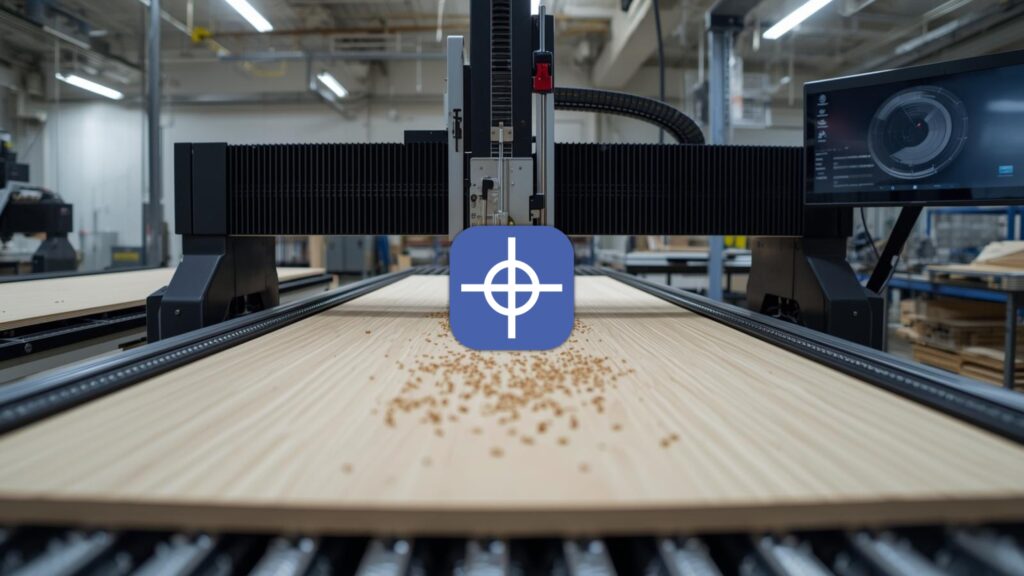
CNC control in woodworking: what high-speed production demands from the controller Author: Radonix R&D Team. Woodworking is one of the most widespread CNC applications, ranging from furniture production and cabinetry to decorative panels and nesting operations. While wood is relatively easy to cut compared to metal or stone, CNC control in woodworking presents its own […]
CNC Controller: How It Works Inside a Machine
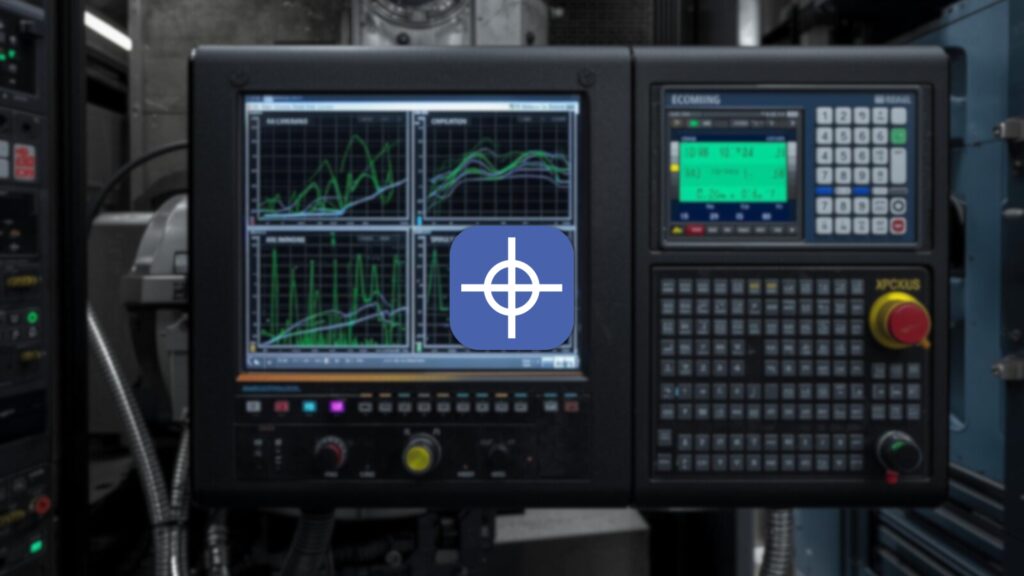
What is a CNC Controller, and How a CNC controller works? Author: Radonix R&D Team A CNC controller is the central intelligence of a CNC machine. It is the system that takes machining instructions and turns them into precise, coordinated motion of motors, spindles, and auxiliary devices. While the mechanical structure of a CNC machine […]
Servo Tuning for CNC: A Practical Engineering Guide

Servo Tuning in CNC Motion Control Written by: Nima Rad – Radonix Automation Company A servo drive or motor is considered properly tuned when it follows position and velocity commands quickly and accurately, without vibration, excessive noise, abnormal temperature rise, or exceeding allowable Following Error limits. In industrial CNC systems, tuning is fundamentally about stabilizing […]
Servo Gain Explained: How Gain Works in CNC Servo Loops
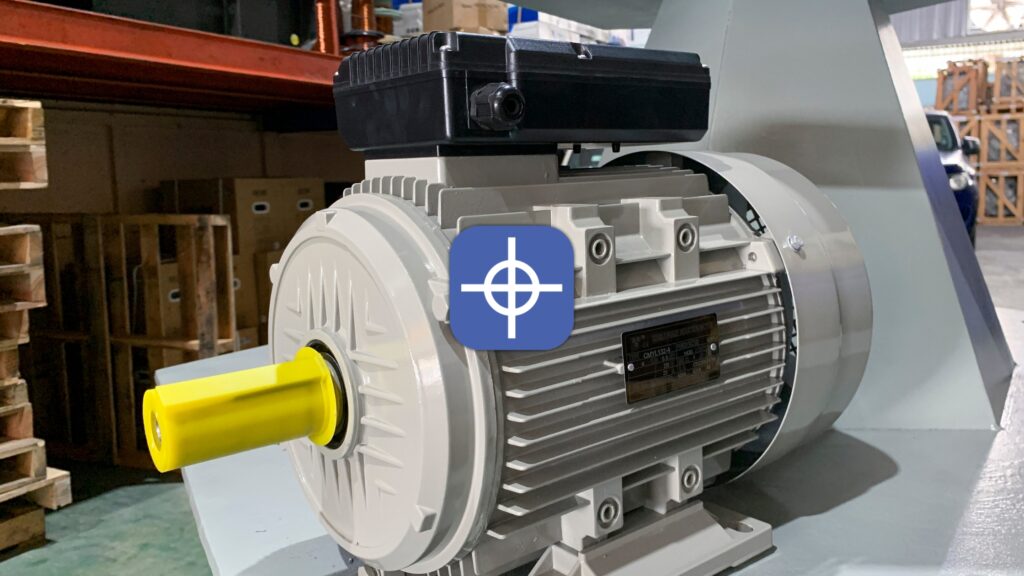
Written by: Mehdi Hassanzadeh, Content Specialist – Radonix Short answer: Servo gain is the factor a servo loop uses to turn the error between command and feedback into a corrective output. Higher gain makes an axis stiffer and faster to respond, but pushing it beyond the stability margin causes vibration, noise, overshoot and overheating. The […]
History of CNC Controllers: From NC to Digital-Native Platforms
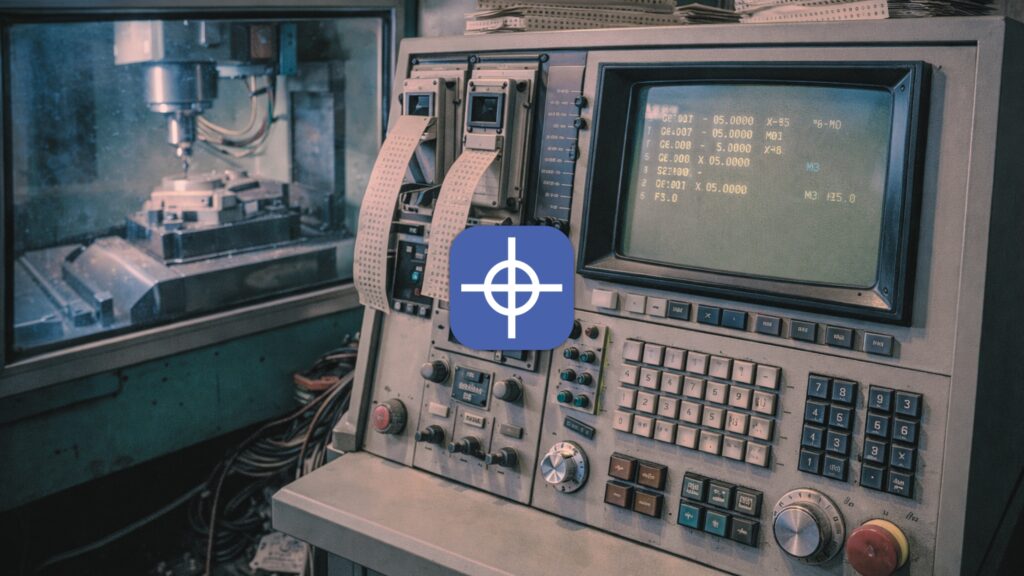
What a CNC Controller Is and Why Its History Matters Written by: Mehdi Hasanzadeh, Content Specialist – Radonix In technical terminology, a CNC controller is the brain of a machine tool. It is the system that reads the part program, performs toolpath interpolation, closes servo control loops (current, velocity, and position), executes PLC logic, and […]
Control Panel Layout: Practical Zoning, EMC, and Thermal Rules
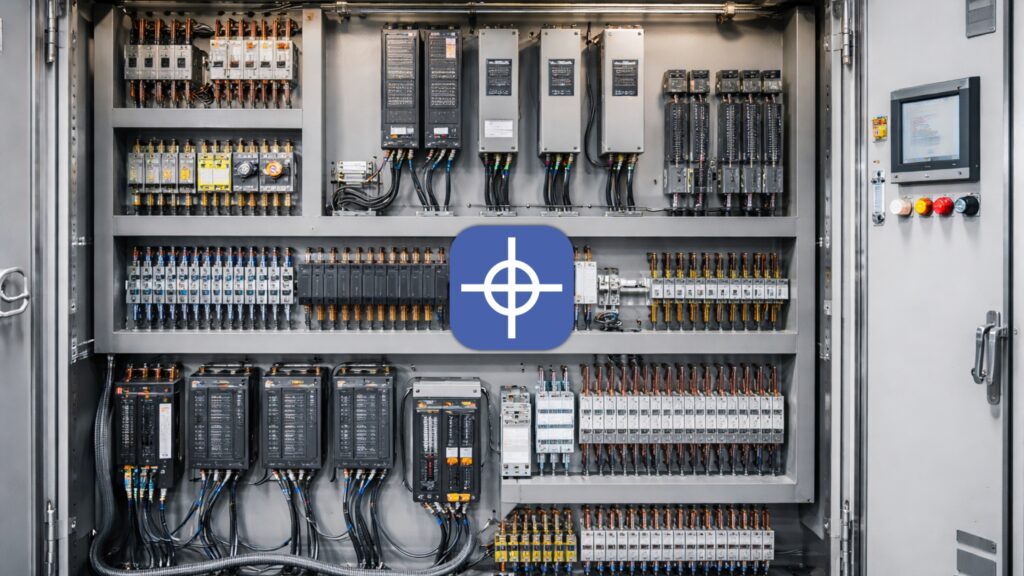
Principles of Electrical Control Panel Layout for Components Written by: Nima Rad, Content Specialist – Radonix Standard Framework and Design Objectives In industrial electrical control panels—whether for CNC machines, automation lines, pump stations, or packaging systems—component layout is never a matter of aesthetics or personal preference. Layout decisions have a direct and measurable impact on […]