

CNC Controller vs PLC: 7 Key Differences That Matter
CNC Controller vs PLC: What’s the Difference? Author: Radonix R&D Team In industrial automation, both CNC controllers and PLCs (Programmable Logic Controllers) play critical roles. While they may appear similar at a high level, they are fundamentally designed for different purposes. Understanding the difference between these two systems is essential when designing or upgrading machines, […]
Stepper vs Servo Motors: 7 Key Differences in CNC Performance
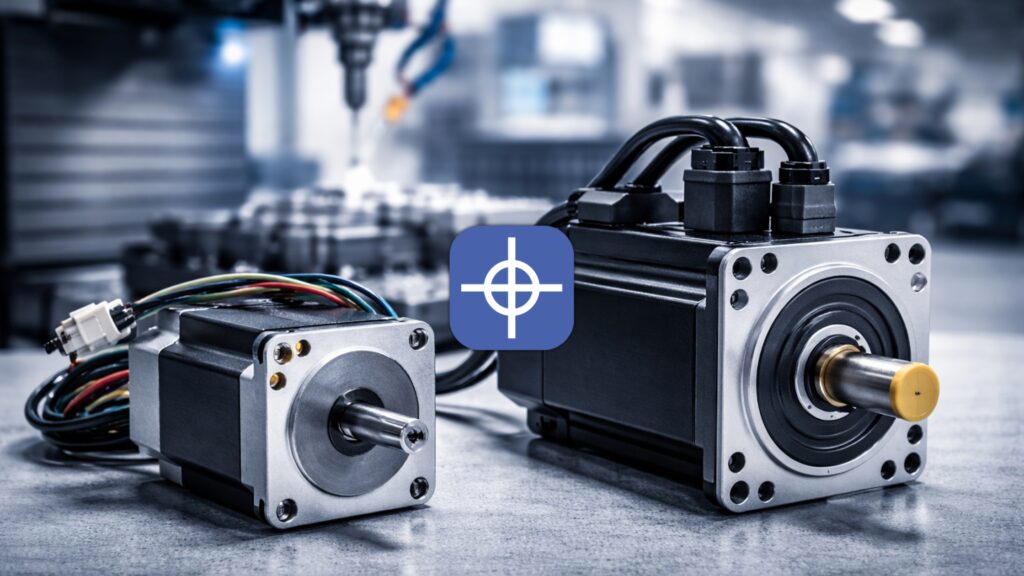
Stepper vs Servo Motors in CNC Systems Author: Radonix R&D Team In CNC systems, the choice of motor directly affects precision, speed, efficiency, and overall machine performance. The two most common options are stepper motors and servo motors. While both are used to drive CNC machine axes, they differ significantly in terms of control method, […]
Servo Motor in CNC: 9 Critical Engineering Factors for Precision Motion
Servo Motor in CNC Machines: Complete Technical Guide for Selection, Tuning, and Performance Author: Nima Rad – Radonix Automation What Is a Servo Motor? In industrial automation—especially CNC systems—a servo motor is an electric motor integrated with a feedback device (position and/or speed sensor) and controlled by a servo drive operating in a closed-loop architecture. […]
Interpolation in CNC: Linear, Circular, and Multi-Axis Motion
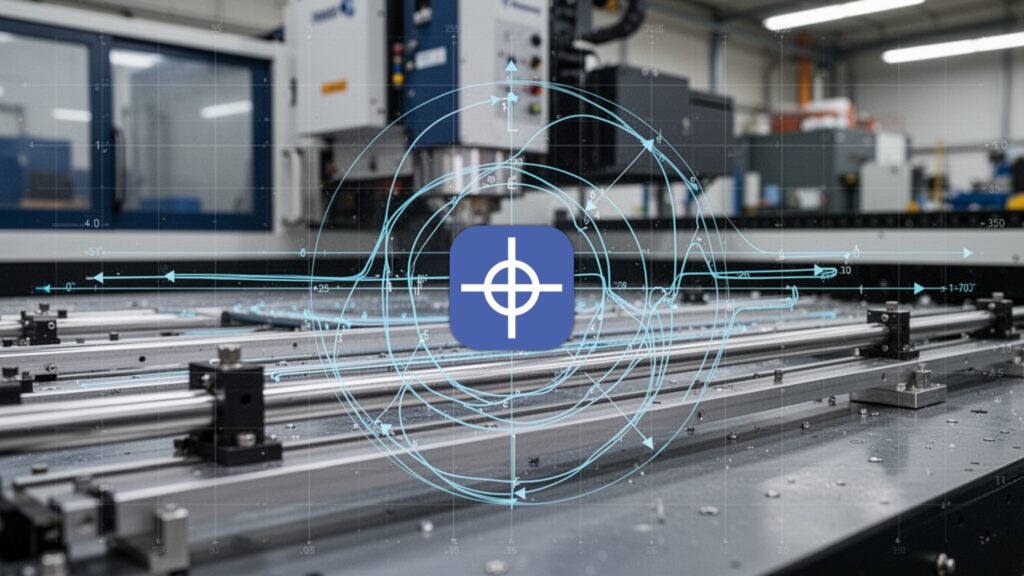
What Is Interpolation in CNC? Linear, Circular, and Multi-Axis Motion Written by: Radonix R & D Team. In CNC machining, precision is not defined only by motor torque, spindle power, or machine rigidity. True machining accuracy depends on how precisely the machine moves from one programmed position to another. That coordinated movement is controlled through […]
CNC Control in Woodworking: Speed, Motion Stability, and Surface Precision
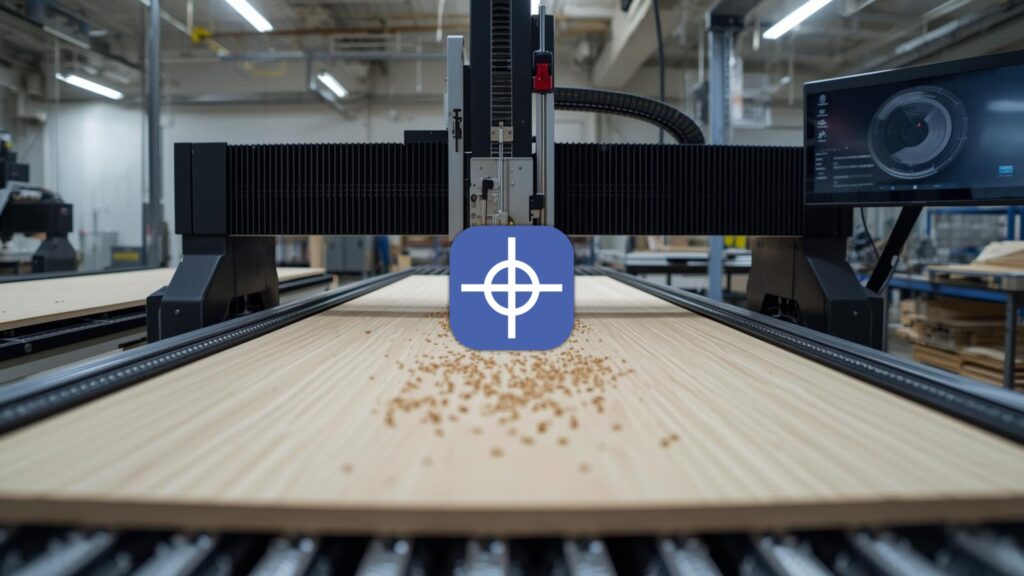
CNC control in woodworking: what high-speed production demands from the controller Author: Radonix R&D Team. Woodworking is one of the most widespread CNC applications, ranging from furniture production and cabinetry to decorative panels and nesting operations. While wood is relatively easy to cut compared to metal or stone, CNC control in woodworking presents its own […]
Servo Tuning for CNC: A Practical Engineering Guide

Servo Tuning in CNC Motion Control Written by: Nima Rad – Radonix Automation Company A servo drive or motor is considered properly tuned when it follows position and velocity commands quickly and accurately, without vibration, excessive noise, abnormal temperature rise, or exceeding allowable Following Error limits. In industrial CNC systems, tuning is fundamentally about stabilizing […]
Pulse Direction vs EtherCAT: 2 Proven CNC Motion Architectures

Pulse Direction vs EtherCAT (Network-Based Motion) in CNC Control Written by: Radonix R & D Team. When discussing CNC motion control, two terms are often mentioned: Pulse/Direction and EtherCAT. These are not competing “good vs bad” technologies. They are different motion command architectures, each designed for different machine requirements and system complexities. At Radonix, it […]
CNC Motion Control in the Future: Modular, Open, and AI-Driven Controllers
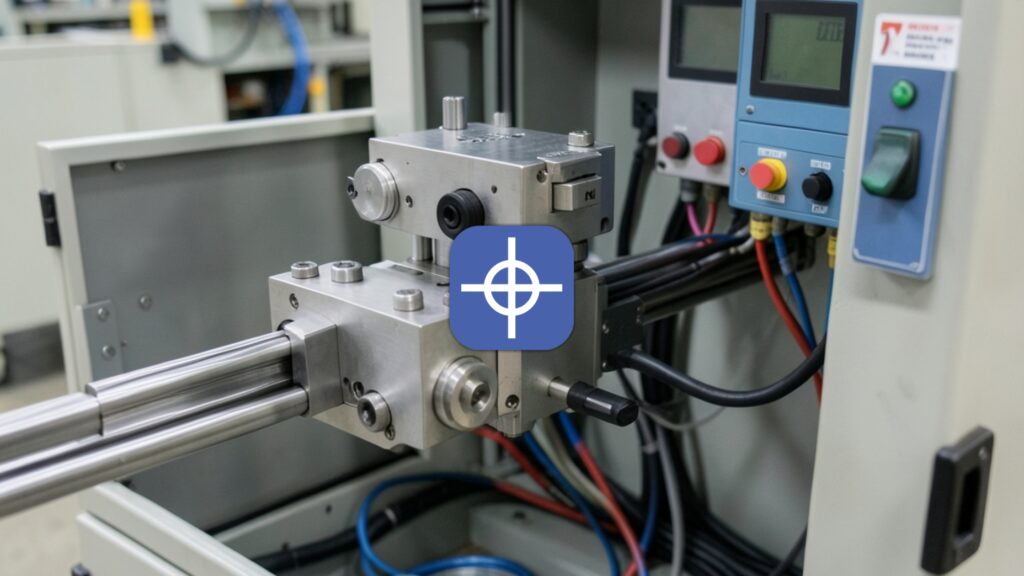
CNC Motion Control Is Changing: What OEMs Need to Plan For Written by: Radonix R & D Team CNC controller technology is entering a new phase. Traditional closed, monolithic systems are gradually giving way to modular, open, and software-centric architectures that better align with Industry 4.0 requirements. This evolution is driven by the need for […]
EtherCAT CNC: The Future of Intelligent CNC Control with AI

Combining AI and EtherCAT: The Future of Intelligent CNC Control Written by: Radonix R&D Team Modern manufacturing no longer evaluates CNC systems on precision alone. Production environments now demand deterministic performance, architectural scalability, long-term reliability, and readiness for future technologies. At the center of this evolution is EtherCAT, a real-time industrial Ethernet protocol specifically designed […]
Servo Motor Gain in CNC Systems: Theory, Risks, and Practical Tuning
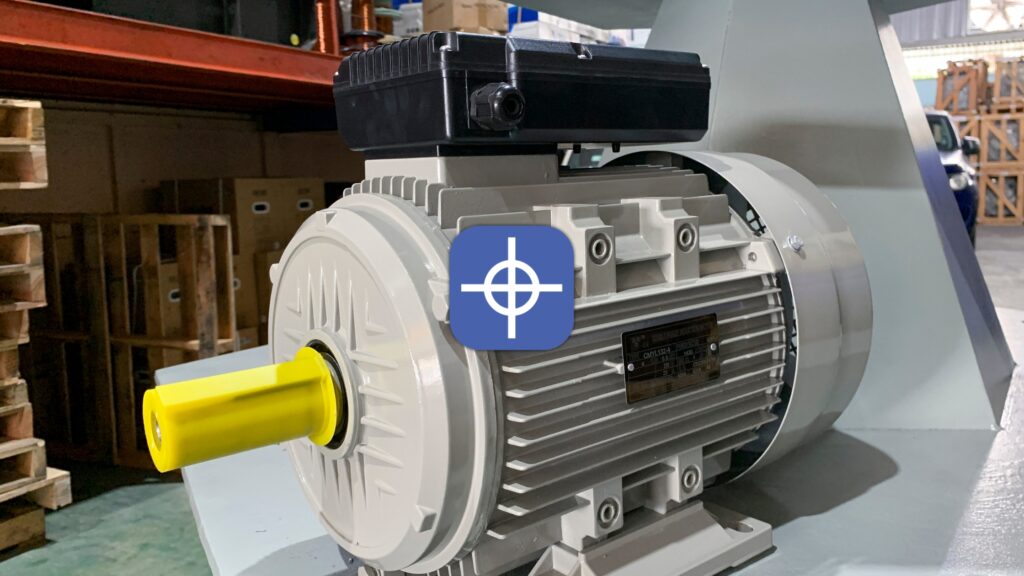
What Servo Motor Gain Really Means in Control Loops Written by: Mehdi Hassanzadeh, Content Specialist – Radonix In servo drive systems, multiple nested control loops operate simultaneously: the current (torque) loop, the velocity loop, and the position loop. What is commonly labeled as Gain in servo settings represents the responsiveness of each control loop—how aggressively […]