

Modular CNC Controller Architecture: From Monolithic to Lego-Style Control
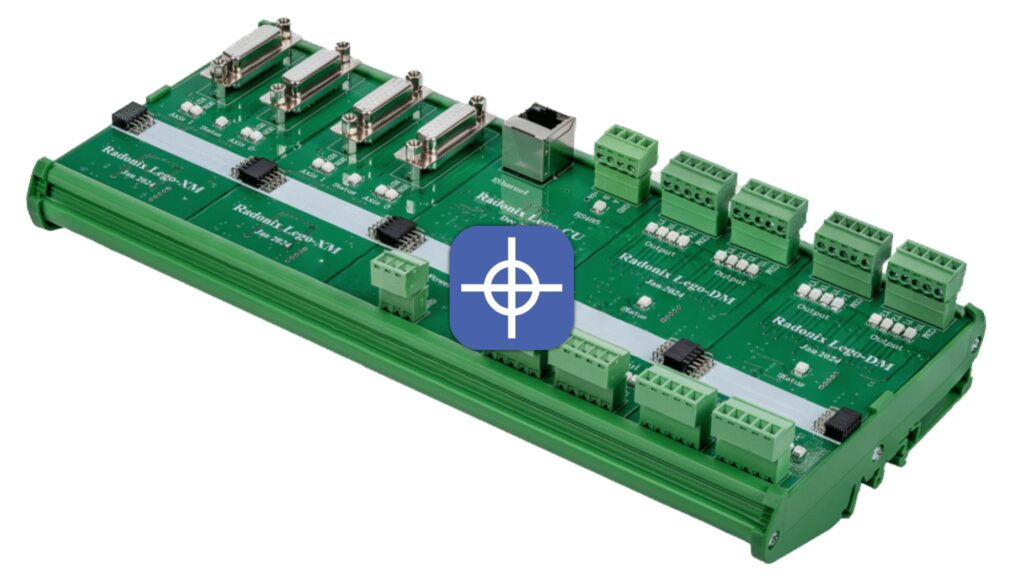
From Monolithic to Modular: Why CNC Controllers Need a Lego-Style Architecture Written by: Radonix Engineering & Control Systems Team Abstract Traditional CNC controllers are built as closed, monolithic systems where motion planning, kinematics, I/O, and hardware control are tightly bound into a single proprietary unit. While reliable, this design inherently limits flexibility, slows innovation, and […]
Linear Encoder vs Potentiometer: Choosing the Right Feedback Sensor for CNC
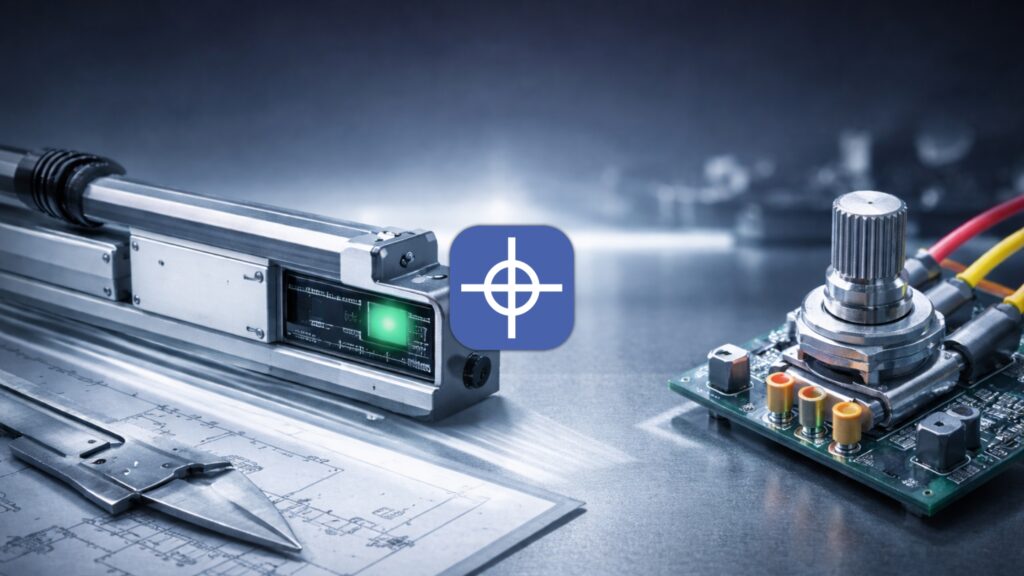
Selecting Between Linear Encoder Vs Potentiometer Written by: Mehdi Hassanzadeh, Content Specialist – Radonix When choosing between a linear encoder (linear scale) and a potentiometer, the first step is to clearly define the intended application: precise CNC axis position feedback, simple displacement measurement, or manual control and adjustment. In CNC and automation systems, these two […]
Tangential C-Axis Tangent-to-Path Control in CNC Cutting Systems
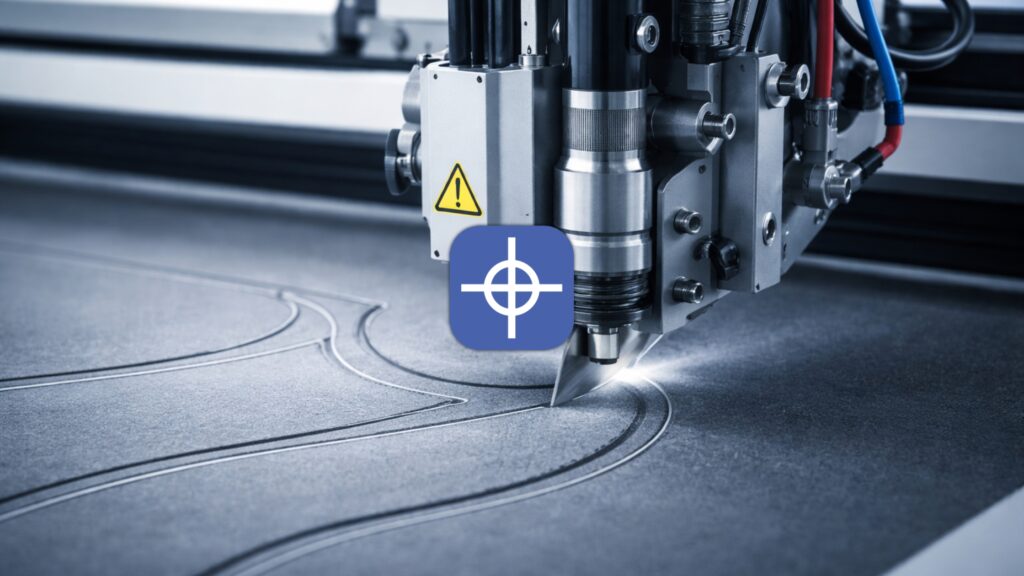
Tangential C-Axis and Its Industrial Applications Written by: Nima Rad, Content Specialist – Radonix What Is a Tangential C-Axis? In standard CNC axis nomenclature, the C-axis is a rotary axis around the Z-axis, meaning rotation of the tool or spindle about the vertical direction. When we refer to a Tangential C-Axis (Tangential Knife Axis), we […]
Servo Motor Gain in CNC Systems: Theory, Risks, and Practical Tuning
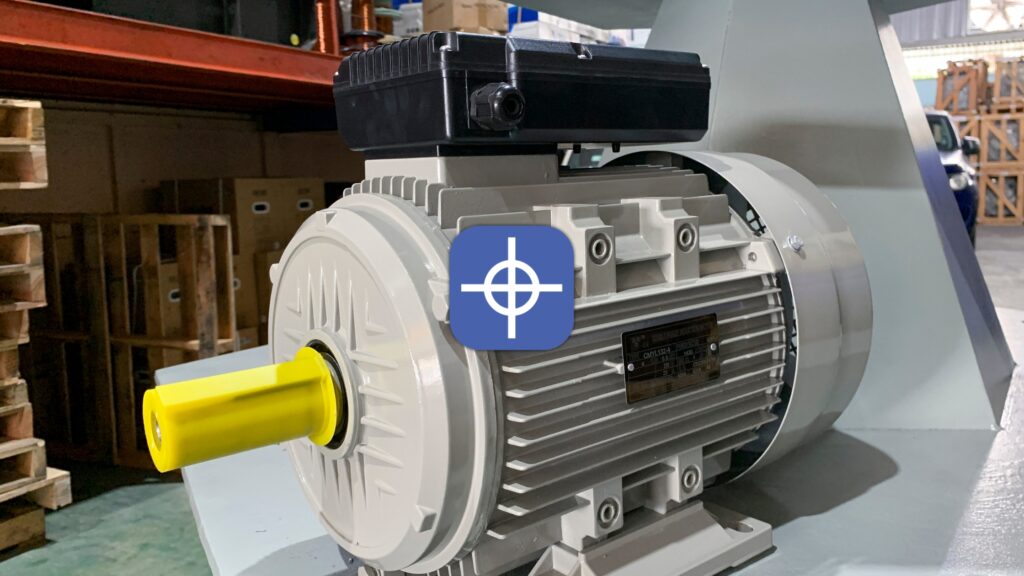
What Servo Motor Gain Really Means in Control Loops Written by: Mehdi Hassanzadeh, Content Specialist – Radonix In servo drive systems, multiple nested control loops operate simultaneously: the current (torque) loop, the velocity loop, and the position loop. What is commonly labeled as Gain in servo settings represents the responsiveness of each control loop—how aggressively […]
Wire Diameter Calculation in Control Panels
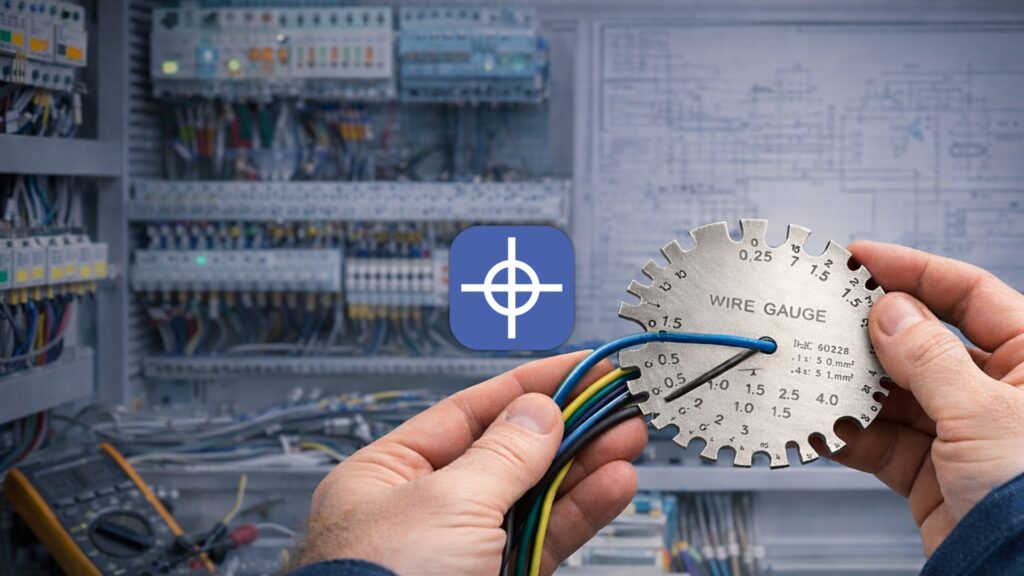
Wire Diameter Calculation in Electrical Control Panels Written by: Nima Rad, Content Specialist – Radonix In electrical control panel design, what is commonly referred to as “wire diameter” must first be translated into conductor cross‑sectional area (mm²). Current‑carrying capacity, voltage drop, and short‑circuit withstand are all functions of cross‑section, not visual thickness. Only after selecting […]
History of CNC Controllers: From NC to Digital-Native Platforms
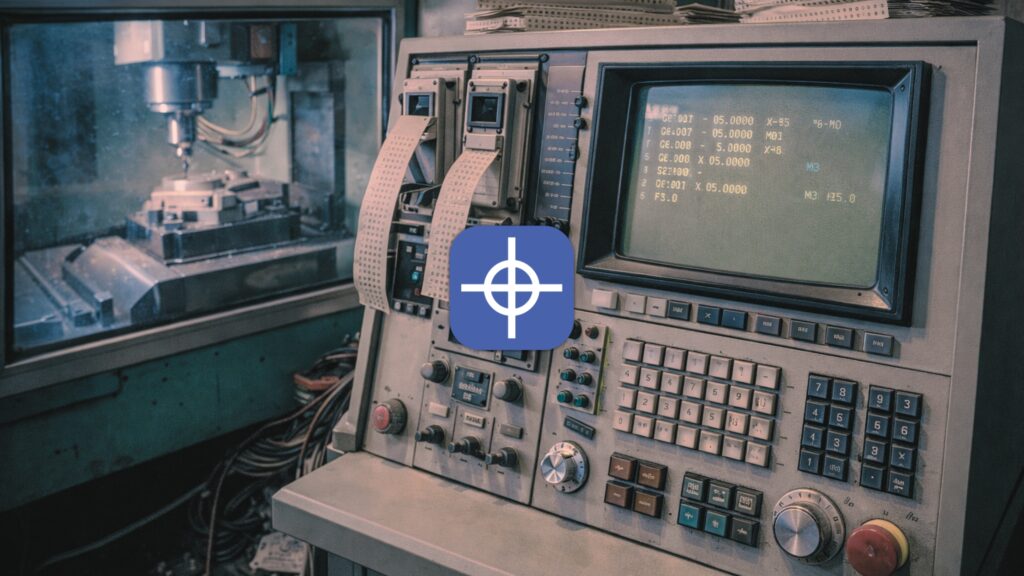
What a CNC Controller Is and Why Its History Matters Written by: Mehdi Hasanzadeh, Content Specialist – Radonix In technical terminology, a CNC controller is the brain of a machine tool. It is the system that reads the part program, performs toolpath interpolation, closes servo control loops (current, velocity, and position), executes PLC logic, and […]
Control Panel Layout: Practical Zoning, EMC, and Thermal Rules
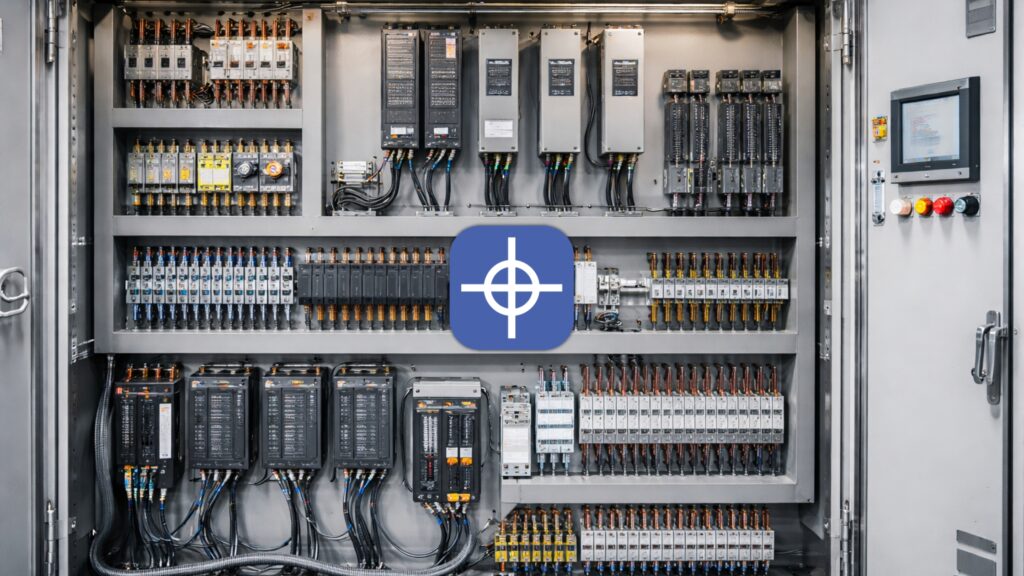
Principles of Electrical Control Panel Layout for Components Written by: Nima Rad, Content Specialist – Radonix Standard Framework and Design Objectives In industrial electrical control panels—whether for CNC machines, automation lines, pump stations, or packaging systems—component layout is never a matter of aesthetics or personal preference. Layout decisions have a direct and measurable impact on […]
G Code CNC Programming: Structure, Commands, and Industrial Pitfalls
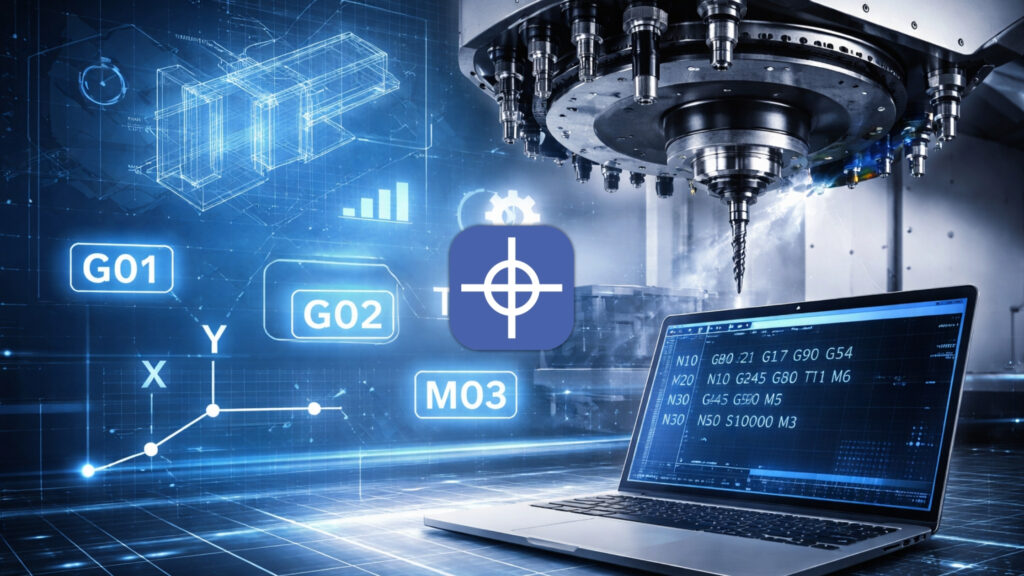
Understanding G-Code in CNC Machining Author: Mehdi Hasanzade In CNC machining, G-code (Geometric Code) is the core programming language used to control machine tool behavior. It instructs the controller where to move (X/Y/Z and rotational axes), how to move (linear or circular interpolation), at what speed (feed rate and spindle speed), and which auxiliary actions […]
Automatic Tool Changer: Types, Operation, and Selection in CNC Machines
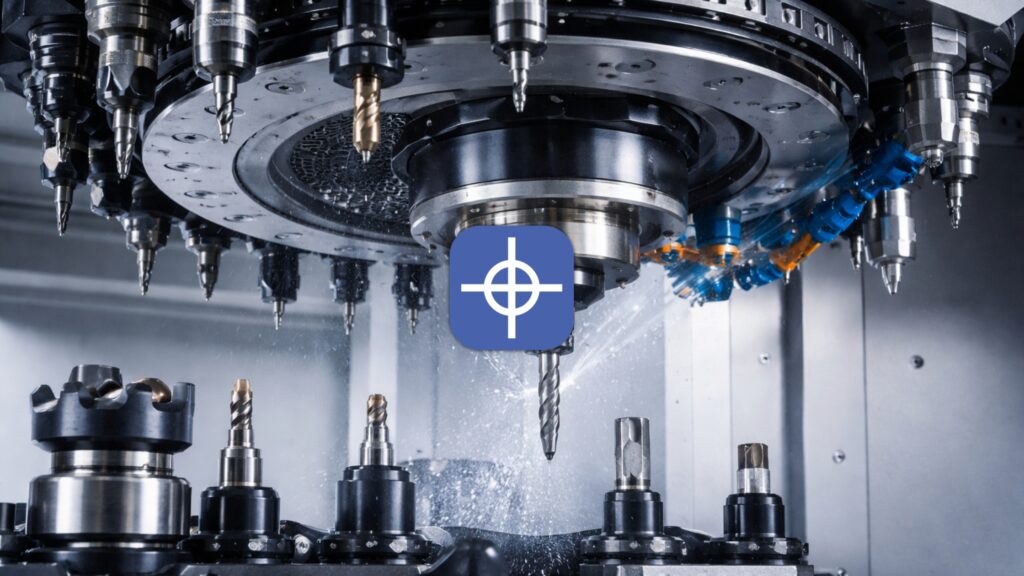
Automatic Tool Changer in CNC Author: Nima Rad In modern CNC machining, an Automatic Tool Changer (ATC) is a coordinated mechanical and control system that enables a machine to automatically replace cutting tools without operator intervention. Tools such as drills, end mills, taps, reamers, and face mills are stored in a tool magazine, transferred to […]
CNC Lubrication: Why Continuous Lubrication Is Non-Negotiable
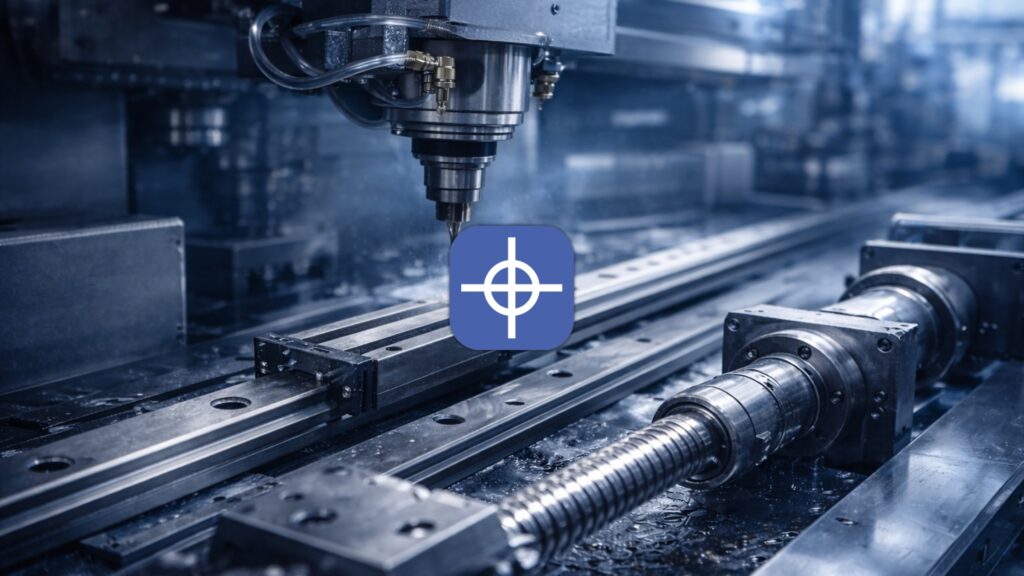
Why Continuous CNC Lubrication Is Critical Author: Mehdi Hasanzade CNC lubrication is not a routine maintenance task; it is a core operating condition that directly affects accuracy, surface finish, thermal stability, and the service life of high‑value machine components. In CNC machines, motion systems operate under repeating loads, fine positioning requirements, and often contaminated environments. […]