
Why the Future of CNC Controllers Is Shifting to Modular Platforms
Written by: Radonix Engineering & Control Systems Team
CNC controller technology is entering a new phase. Traditional closed, monolithic systems are gradually giving way to modular, open, and software-centric architectures that better align with Industry 4.0 requirements. This evolution is driven by the need for scalability, transparency, and long-term adaptability—without sacrificing real-time precision.
At Radonix, CNC controllers are already designed with modular hardware structures and flexible software architectures at their core. While AI-driven CNC intelligence is not yet a released Radonix feature, it remains an active area of research within the Radonix R&D roadmap. This article explains how modular design, open-source principles, and future AI capabilities together define the next generation of CNC controllers, and how Radonix is positioning its platforms to support this transition responsibly.
Introduction: Moving Beyond Closed CNC Systems
For decades, CNC controllers have been dominated by proprietary black-box designs. These systems provide stability, but at the cost of flexibility. Hardware configurations are fixed, software logic is opaque, and integrating new technologies—such as advanced automation, IoT connectivity, or data-driven optimization—often requires vendor-specific solutions.
Modern manufacturing environments demand more. OEMs, system integrators, and machine builders increasingly require CNC platforms that can scale across machine configurations, adapt to new peripherals and processes, integrate with modern digital workflows, and remain maintainable over long product lifecycles.
Radonix CNC controllers are developed with these professional requirements in mind, treating modularity and architectural openness as foundational design principles rather than optional extensions.
Modular Hardware as the New Standard
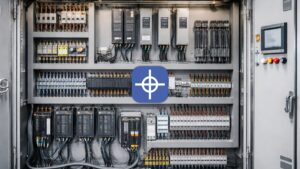
Modularity is no longer optional—it is essential. A modern CNC controller must support different machine types, axis counts, and automation modules without requiring a complete redesign of the control system.
Radonix approaches modularity through:
- Scalable controller hardware families
- Distributed axis and I/O architectures
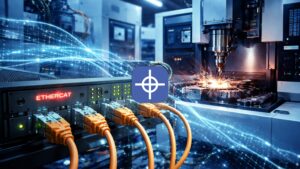
- Standardized industrial communication backbones, such as EtherCAT
- Clear separation between real-time control functions and higher-level logic
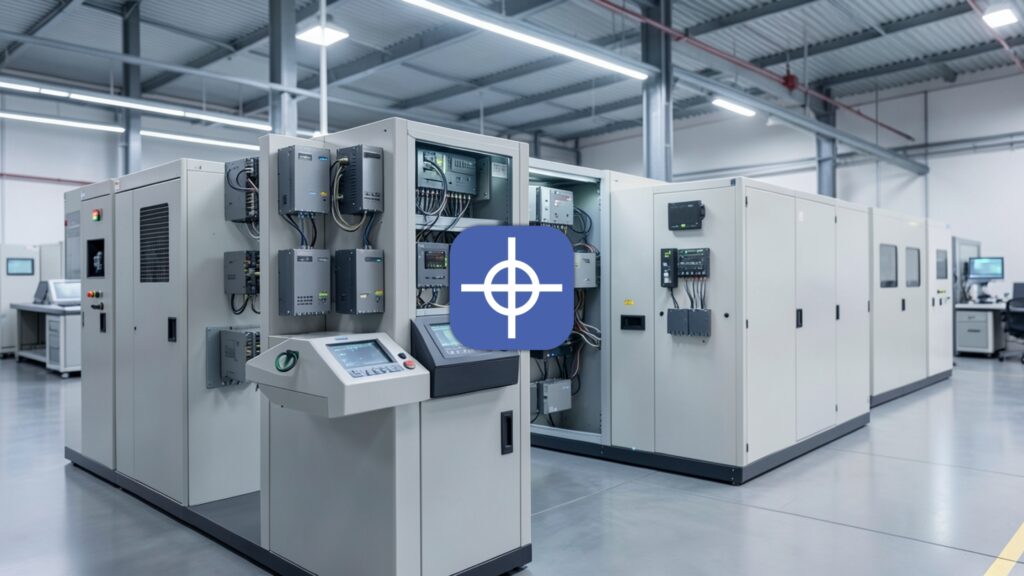
This approach enables machine builders to configure CNC systems for wood, stone, metal, laser, plasma, and special-purpose machines while using a common and reusable control platform.
Open-Source Philosophy in Industrial CNC
Open-source in an industrial CNC context does not imply uncontrolled or unsafe software. Instead, it refers to transparent and extensible architectures that reduce rigid vendor lock-in while preserving industrial reliability.
Radonix applies open-source principles by:
- Supporting standardized interfaces and communication protocols
- Enabling integration with external software tools and automation systems
- Allowing controlled customization without compromising deterministic behavior
- Encouraging long-term maintainability and clear technical documentation
This philosophy empowers OEMs and advanced users to build upon the Radonix platform while maintaining the predictable performance required for CNC control systems.
The Role of AI in the Future of CNC Controllers
AI is widely discussed as the next major step in manufacturing automation. In CNC systems, AI has the potential to support:
- Advanced diagnostics and condition monitoring
- Data-driven optimization recommendations
- Smarter setup and calibration assistance
- Improved user interaction and visualization
At Radonix, AI integration is treated as a future capability rather than a marketing shortcut. Current Radonix controllers prioritize deterministic, reliable operation. In parallel, Radonix R&D is actively exploring how AI can be introduced without compromising safety, transparency, or operator authority.
The long-term objective is AI that assists the machinist and production engineer, rather than replacing human expertise.
A Layered CNC Controller Architecture
The Future of CNC Controllers is best understood as a layered system, where responsibilities are clearly separated to ensure stability and scalability.
Real-Time Control Layer
This layer manages motion execution, axis synchronization, safety logic, and deterministic communication. In Radonix systems, it remains strict, predictable, and isolated from non-deterministic processes.
Open Software and Integration Layer
This layer enables connectivity, customization, and integration with CAM systems, automation tools, and factory networks.
Intelligence and Analytics Layer (Future)
AI-based analytics and decision-support tools operate at a higher level, generating insights and recommendations without directly overriding real-time control.
This layered separation ensures innovation can progress without introducing risk to machine stability.
Human-Centric Design Over Full Autonomy
Fully autonomous CNC control may appear attractive, but real manufacturing environments demand accountability, safety, and human judgment. Radonix follows a human-centric automation philosophy in which technology enhances expertise rather than replacing it.
Future of CNC Controllers interfaces should:
- Reduce complexity without hiding critical operational information
- Support faster decision-making without removing operator control
- Improve safety and consistency without deskilling machinists
Radonix views AI and open architectures as tools that empower professionals on the shop floor.
Benefits for Radonix Customers
By investing in modular and open CNC controller design today, Radonix enables long-term benefits for OEMs and industrial users:
- Easier machine customization and system upgrades
- Reduced dependency on proprietary ecosystems
- Longer control system lifecycles
- Better integration with future digital manufacturing tools
- A clear path toward intelligent CNC features when they are industrially ready
This strategy protects customer investment while allowing controlled and continuous evolution.
Challenges and Responsible Development
Open and modular CNC systems introduce challenges related to system complexity, cybersecurity, validation, and long-term support. Radonix addresses these challenges through structured architecture, controlled interfaces, and disciplined engineering processes.
AI-driven features, in particular, require careful validation. For this reason, Radonix prioritizes engineering maturity and industrial readiness over speed to market.
Conclusion
The next generation of CNC controllers will move beyond closed, monolithic designs toward systems that are modular, open, and eventually AI-assisted. Radonix embraces this direction with a clear professional philosophy: maintain deterministic control, enable openness where it adds value, and introduce intelligence responsibly.
By combining proven industrial foundations with forward-looking architecture, Radonix is shaping CNC control platforms that are ready not only for today’s machines, but also for tomorrow’s manufacturing challenges.
Contact Radonix or use the chatbot in the bottom right corner to learn how linear encoders integrate with Radonix control systems.